ethereum address vs bitcoin address A Comparative Guide
ethereum address vs bitcoin address ignites a fascinating exploration into the distinct realms of two leading cryptocurrencies. As digital assets continue to reshape our financial landscape, understanding the nuances between these two address types becomes crucial for anyone navigating the blockchain universe.
Both Ethereum and Bitcoin addresses play fundamental roles in facilitating transactions and ensuring security within their respective ecosystems. This guide will delve into their structures, generation methods, security features, and more, offering insights that are not only informative but essential for users looking to engage with these technologies.
Overview of Ethereum and Bitcoin Addresses
Ethereum and Bitcoin, two of the most prominent cryptocurrencies, utilize unique addresses for conducting transactions. An Ethereum address is a hexadecimal representation typically starting with ‘0x’, while a Bitcoin address can vary in format, beginning with ‘1’, ‘3’, or ‘bc1’. These addresses serve as identifiers for users, allowing them to send and receive digital currency within their respective networks. The significance of these addresses extends beyond mere transactions; they are foundational to the security and functionality of blockchain technology, providing a mechanism for users to engage in decentralized finance and other applications.
Address Structure and Format
The structure of Ethereum and Bitcoin addresses differs significantly, reflecting the underlying technology and encoding methods of each blockchain. Ethereum addresses are 42 characters long, including the ‘0x’ prefix, representing a 20-byte value. Bitcoin addresses, on the other hand, come in several formats: Legacy (P2PKH), which is 34 characters long, starting with ‘1’; Pay-to-Script-Hash (P2SH), which starts with ‘3’; and Bech32 (native SegWit), which starts with ‘bc1’.
Below is a table detailing the differences in address formats:
| Cryptocurrency | Address Type | Length | Starts With |
|---|---|---|---|
| Ethereum | Hexadecimal | 42 characters | 0x |
| Bitcoin | Legacy (P2PKH) | 34 characters | 1 |
| Bitcoin | P2SH | 34 characters | 3 |
| Bitcoin | Bech32 (native SegWit) | 42 characters | bc1 |
Address Generation
Generating Ethereum and Bitcoin addresses involves cryptographic algorithms and the use of private keys. In both cases, a private key is a crucial component, as it serves as the secure key that allows the owner to access and control their funds. For Ethereum, the address is derived from the public key using the Keccak-256 hashing algorithm, while Bitcoin addresses utilize the SHA-256 and RIPEMD-160 hashing algorithms.
Various tools and software assist in this process, including wallets like MetaMask for Ethereum and Bitcoin Core for Bitcoin, which help users generate secure addresses.
Transaction Process
The transaction process for sending and receiving funds using Ethereum and Bitcoin addresses follows a series of steps. Users initiate a transaction by specifying the recipient’s address and the amount to send. The network then verifies the transaction, which is subsequently added to a block and confirmed by miners. In Ethereum, transactions typically confirm within a few seconds, while Bitcoin transactions may take several minutes to hours, depending on network congestion.
A flowchart illustrating the transaction process for both cryptocurrencies would show these steps clearly, emphasizing the differences in confirmation times.
Security Features
Both Ethereum and Bitcoin addresses incorporate unique security features to protect users. For instance, Bitcoin addresses include checksums to prevent typing errors, while Ethereum addresses leverage smart contracts for additional security. However, vulnerabilities exist, such as address reuse in Bitcoin, which can compromise user privacy. To safeguard against theft and fraud, users should employ practices like enabling two-factor authentication (2FA), using hardware wallets, and keeping their private keys secure.
Use Cases and Applications
Ethereum and Bitcoin addresses find application across various real-world scenarios, driving innovation and utility in the cryptocurrency space. They enable users to engage in transactions, participate in decentralized applications (dApps), and execute smart contracts. The impact of these addresses extends into multiple industries, including finance, real estate, supply chain management, and gaming. Here’s a list of sectors utilizing both address types:
- Financial Services
- Supply Chain Management
- Gaming and Non-Fungible Tokens (NFTs)
- Real Estate Transactions
- Decentralized Finance (DeFi)
Common Issues and Troubleshooting
Users often encounter issues when handling Ethereum and Bitcoin addresses, such as accidentally sending funds to the wrong address or losing access to their private keys. Solutions include using address validation tools before executing transactions and implementing backup strategies for private keys. A FAQ section can clarify common misconceptions, such as the differences in transaction fees or the implications of address formats.
Future Developments
As the cryptocurrency landscape evolves, potential changes in the structure and usage of Ethereum and Bitcoin addresses may arise. Discussions within the community regarding address interoperability highlight the need for addressing compatibility between different blockchain networks. Upcoming technologies, like layer 2 solutions and cross-chain protocols, may influence how addresses are formatted and utilized in future transactions, paving the way for a more integrated digital economy.
Final Summary
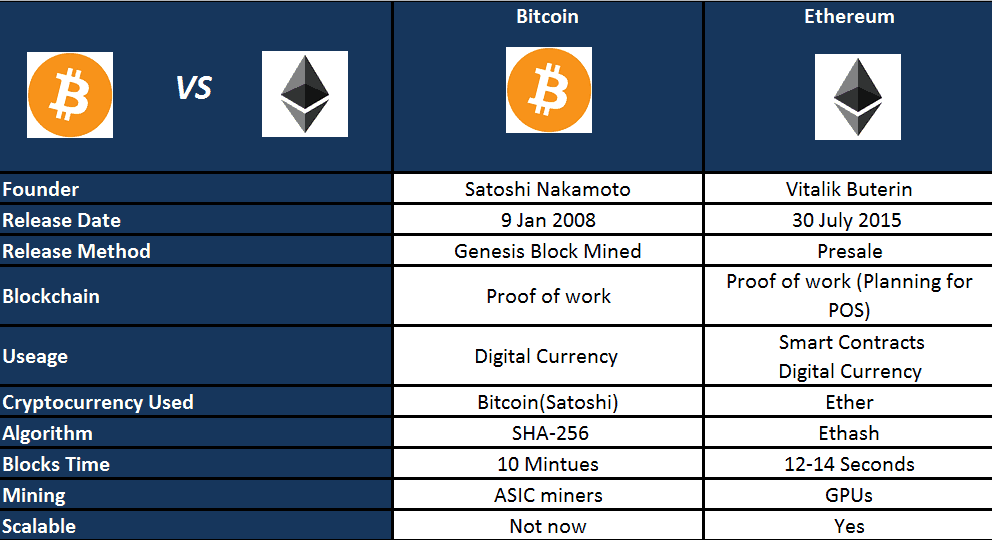
In summary, the comparison between Ethereum and Bitcoin addresses highlights not only their unique structural and functional differences but also their shared significance in the blockchain ecosystem. As we look to the future, staying informed about these differences will empower users to make educated decisions in the ever-evolving landscape of digital currencies.
Essential FAQs
What is the main difference between Ethereum and Bitcoin addresses?
The main difference lies in their structure and purpose; Bitcoin addresses are used primarily for transactions, while Ethereum addresses can also interact with smart contracts.
Can I use a Bitcoin address to send Ethereum?
No, Bitcoin and Ethereum addresses are not compatible, and attempting to send funds between them will result in loss of assets.
How long are Ethereum and Bitcoin addresses?
Bitcoin addresses typically range from 26 to 35 characters, while Ethereum addresses are 42 characters long, including the ‘0x’ prefix.
Are there special tools for generating these addresses?
Yes, various wallets and software tools are available for generating secure Ethereum and Bitcoin addresses, each employing different security practices.
What should I do if I lose access to my address?
If you lose access to your address, recovery options depend on whether you have the corresponding private key or seed phrase; without these, recovery is typically impossible.