Bitcoin Vs Ethereum Forecast Insights And Trends
Bitcoin vs ethereum forecast sets the stage for an enthralling narrative, offering readers a glimpse into a story that is rich in detail and brimming with originality from the outset. As two of the most prominent cryptocurrencies, Bitcoin and Ethereum not only represent significant technological advancements but also embody distinct philosophies and purposes within the blockchain ecosystem.
This exploration will delve into their foundational differences, recent market trends, technological advancements, and future projections, giving you a well-rounded understanding of where these digital assets stand and where they might be headed.
Introduction to Bitcoin and Ethereum
Bitcoin and Ethereum are two of the most prominent cryptocurrencies in the digital landscape, each serving distinct purposes and leveraging unique technologies. Bitcoin, created in 2009 by an anonymous individual or group known as Satoshi Nakamoto, is primarily a decentralized digital currency designed for peer-to-peer transactions. In contrast, Ethereum, launched in 2015 by Vitalik Buterin and others, extends beyond simple transactions, enabling developers to build decentralized applications (dApps) and smart contracts on its platform.The technological differences between Bitcoin and Ethereum are significant.
Bitcoin operates on a simpler proof-of-work (PoW) consensus mechanism focusing solely on the transfer of value, while Ethereum’s capabilities are expanded with its Turing-complete programming language, allowing for complex programmability and automation of processes. This fundamental difference shapes their respective roles in the blockchain ecosystem, with Bitcoin being regarded as “digital gold” and Ethereum acting as a platform for innovation.
Current Market Trends
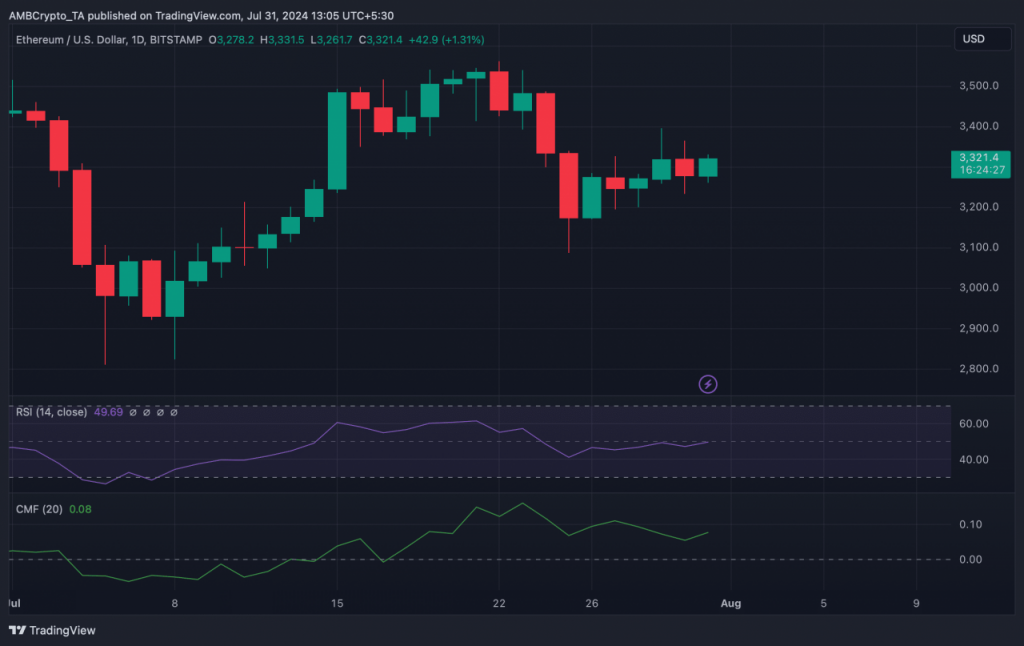
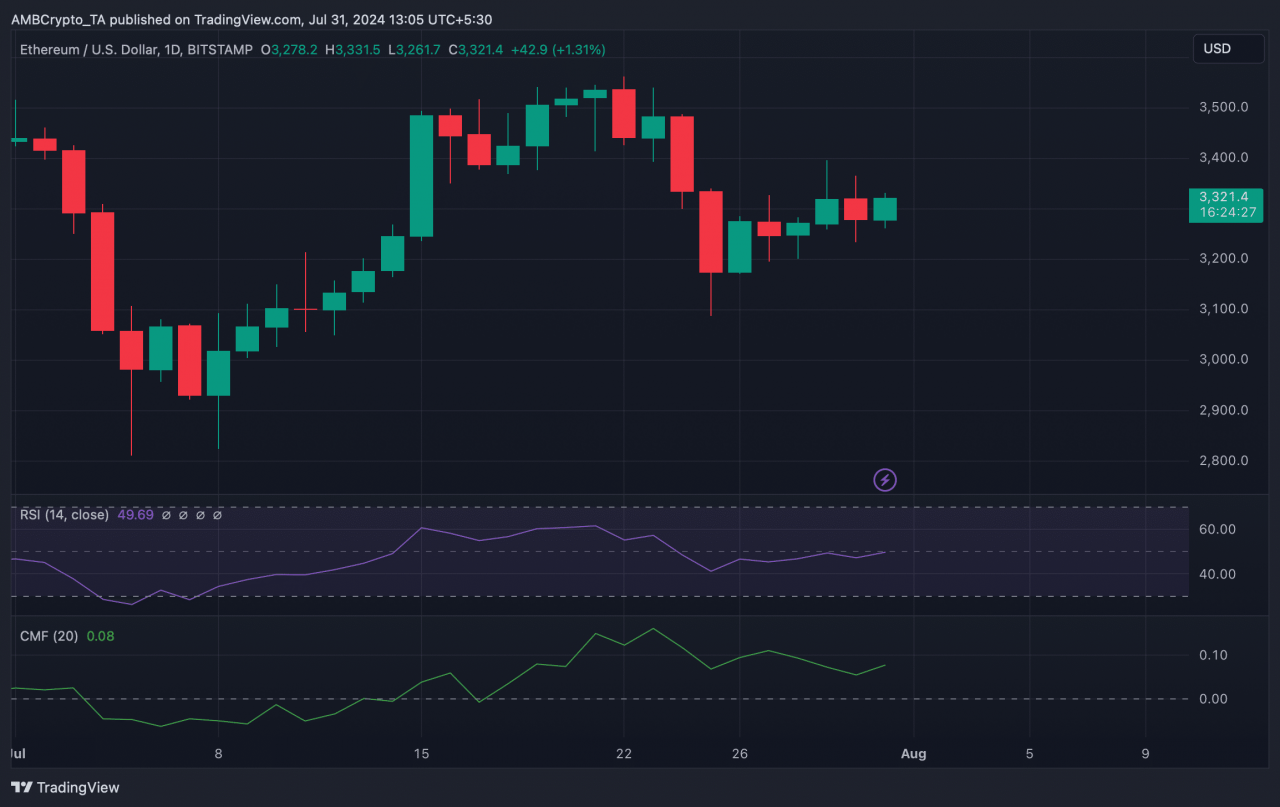
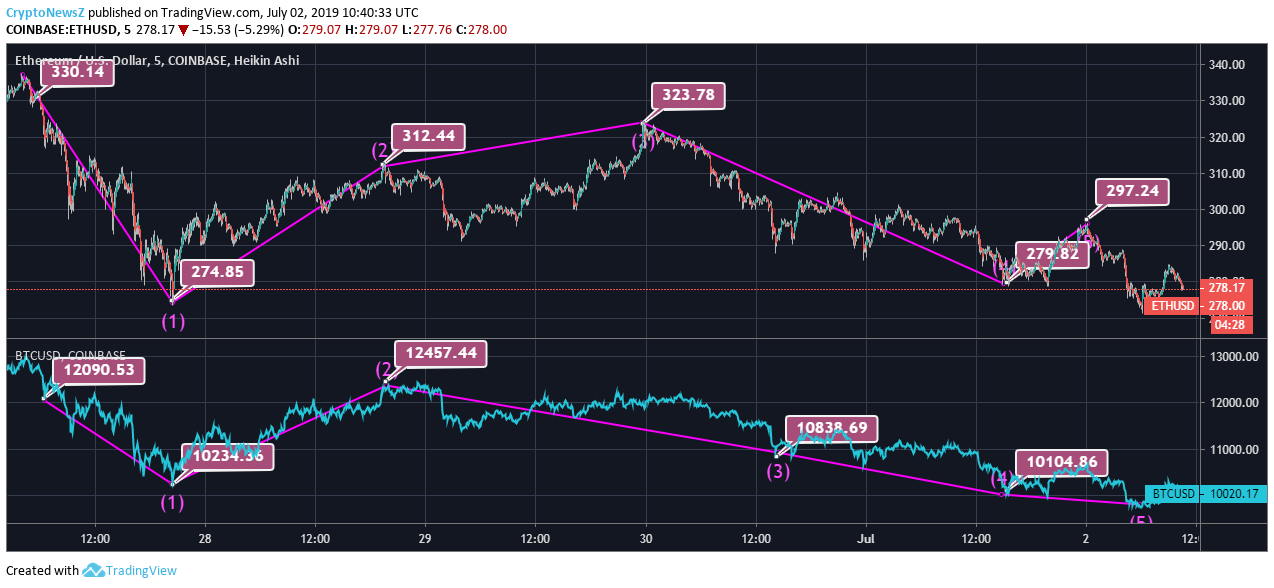
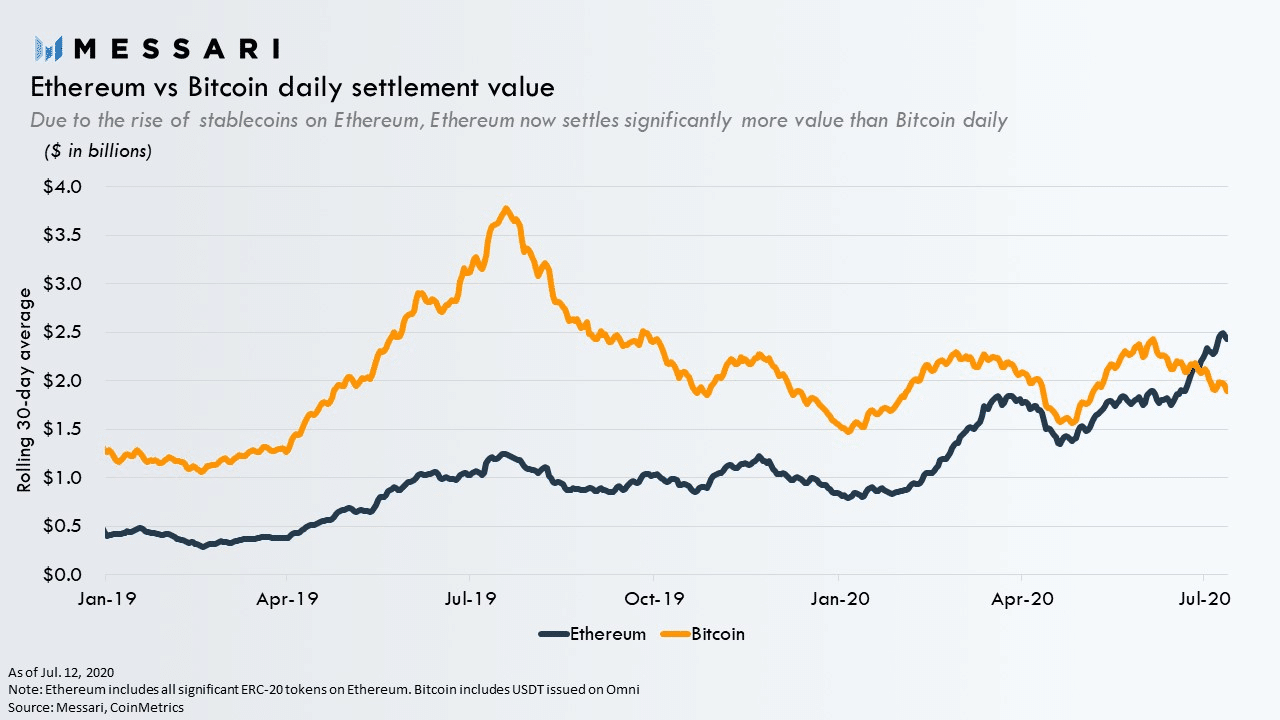
The cryptocurrency market has experienced notable volatility over the past year, with both Bitcoin and Ethereum witnessing dramatic price fluctuations. For instance, Bitcoin’s price surged past $60,000 before experiencing corrections, while Ethereum’s price also hit record highs in tandem, driven by increased adoption and speculative trading.Several factors influence the price movement of these cryptocurrencies, including macroeconomic conditions, regulatory news, and technological advancements.
Investor sentiment plays a crucial role, as positive news can lead to increased buying pressure, whereas negative developments often incite fear and selling.
Technological Advancements
Technological developments are pivotal for the growth of both Bitcoin and Ethereum. Bitcoin is implementing the Lightning Network, a layer-2 scaling solution aimed at increasing transaction speed and reducing costs. Meanwhile, Ethereum is undergoing a significant upgrade known as Ethereum 2.0, transitioning from PoW to a proof-of-stake (PoS) consensus mechanism that promises enhanced scalability and reduced energy consumption.Both cryptocurrencies are also focusing on security enhancements to protect their networks from potential attacks.
Bitcoin is consistently improving its mining algorithms, while Ethereum is adopting various cryptographic techniques to secure smart contracts.
Use Cases and Applications
Bitcoin primarily functions as a digital currency and store of value, appealing to individuals looking for a secure asset to hedge against inflation and economic instability. Its use cases also include remittances and cross-border transactions, offering lower fees compared to traditional banking systems.On the other hand, Ethereum’s versatility goes beyond just currency. It supports smart contracts—self-executing contracts with the terms directly written into code—and decentralized applications (dApps) across various sectors, including finance (DeFi), gaming, and supply chain management.
This flexibility is driving innovative solutions in multiple industries.
Future Projections
Forecasting Bitcoin’s future price movements requires analyzing current market data and trends. Many analysts suggest that Bitcoin could reach new all-time highs if it continues to gain institutional acceptance and mainstream adoption. For instance, the entry of major corporations into the Bitcoin market has historically led to price increases.Similarly, Ethereum’s growth trajectory appears promising as it continues to evolve with Ethereum 2.0.
Predictions indicate substantial price appreciation, especially with the increasing demand for dApps and DeFi platforms. However, potential regulatory impacts could pose challenges, as governments worldwide are still establishing frameworks for cryptocurrency regulation.
Community and Ecosystem
The communities supporting Bitcoin and Ethereum are foundational to their success. Bitcoin’s community includes a diverse group of developers, investors, and advocates who promote its use as a digital currency and asset. Ethereum boasts a vibrant developer ecosystem focused on creating innovative solutions and applications, attracting numerous projects and collaborations.The ecosystem development for both cryptocurrencies is robust, with partnerships fostering growth.
Bitcoin has seen collaborations with payment processors and financial institutions, while Ethereum’s partnerships span across various sectors, including gaming and art, showcasing its versatility.
Investment Strategies
Investing in Bitcoin and Ethereum can involve various strategies, including long-term holding and active trading. Long-term investors often benefit from market cycles, while traders may capitalize on short-term price movements. Risk management is crucial for investors in both cryptocurrencies; diversifying a portfolio by including Bitcoin and Ethereum can mitigate risks associated with market volatility. For instance, combining these assets with traditional investments can create a balanced approach to portfolio management.
Global Adoption
The current state of global adoption for Bitcoin and Ethereum is indicative of their growing acceptance. Regions like North America and Europe are leading in cryptocurrency adoption, with increasing numbers of businesses accepting cryptocurrencies for payments.Factors driving adoption include technological advancements, educational initiatives, and increasing institutional investment. However, regulatory hurdles and infrastructural challenges in different regions can hinder the growth of both cryptocurrencies.
Environmental Considerations
The environmental impact of Bitcoin mining has come under scrutiny due to its high energy consumption. In contrast, Ethereum’s transition to proof of stake is a significant step towards reducing its carbon footprint, enhancing sustainability within the cryptocurrency space.Initiatives aimed at promoting sustainable practices are emerging, as the community recognizes the importance of addressing environmental concerns. The long-term implications of these issues could influence future developments in cryptocurrency technology.
Comparative Analysis
| Aspect | Bitcoin | Ethereum |
|---|---|---|
| Primary Use | Digital currency and store of value | Platform for smart contracts and dApps |
| Consensus Mechanism | Proof of Work | Transitioning to Proof of Stake |
| Community Engagement | Strong focus on market adoption | Active developer community and innovation |
| Scalability Solutions | Lightning Network | Ethereum 2.0 |
Investing in Bitcoin offers a straightforward approach to digital currency, while Ethereum provides opportunities for engagement in broader applications. Experts often highlight the unique advantages and challenges of each cryptocurrency, suggesting that both may coexist and thrive under different market conditions.
Concluding Remarks
In conclusion, the bitcoin vs ethereum forecast highlights the dynamic landscape of cryptocurrency, underscoring the unique strengths and challenges each coin faces. As both Bitcoin and Ethereum evolve, keeping an eye on their technological advancements, market performance, and community support will be crucial for anyone looking to navigate the future of digital currencies.
Key Questions Answered
What are the main differences between Bitcoin and Ethereum?
Bitcoin is primarily a digital currency designed for peer-to-peer transactions, while Ethereum focuses on a platform for smart contracts and decentralized applications.
How do market trends affect the prices of Bitcoin and Ethereum?
Market trends influence investor sentiment, regulatory developments, and technological advancements, all of which can lead to price fluctuations for both cryptocurrencies.
What is Ethereum 2.0?
Ethereum 2.0 is an upgrade to the Ethereum network aimed at improving scalability, security, and energy efficiency through a transition from proof of work to proof of stake.
Are Bitcoin and Ethereum environmentally friendly?
Bitcoin mining can have a significant environmental impact due to its energy-intensive proof-of-work mechanism, while Ethereum’s transition to proof of stake aims to reduce its carbon footprint.
What should investors consider when choosing between Bitcoin and Ethereum?
Investors should consider their investment goals, risk tolerance, and the unique use cases of each cryptocurrency, as Bitcoin often serves as a store of value, while Ethereum is seen as a platform for innovation.